Month: October 2026

Palliative Care or Retirement Home? Elder Care in KL and Johor Bahru

Two kinds of care that families often mix up

The conversation usually starts in a hospital corridor or over a late dinner. A parent’s health has changed, the family is stretched, and someone says “maybe we need a home.” What kind of home, though? In Malaysia the phrases palliative care, nursing home, retirement home and old folks home get used almost interchangeably, but they describe quite different things. Choosing well starts with knowing which one fits the person you are caring for right now, and which one they might need in a year.

Broadly, palliative care is about comfort and symptom control for someone with a serious illness. A retirement home is about daily living, safety and company for older adults who may be fairly independent. Some places offer both, but the questions you ask should be different.

What palliative care actually covers

The World Health Organization’s fact sheet on palliative care describes it as care that improves quality of life for patients and families facing life-threatening illness, by treating pain and other symptoms and supporting psychological, social and spiritual needs. It estimates that around 56.8 million people need it each year. Importantly, palliative care is not only for the final days. It can begin at diagnosis and run alongside treatment such as chemotherapy or dialysis.

A caregiver gently holding the hand of an elderly patient lying in bed
Comfort, pain relief and company are the heart of palliative work.

In practice, a palliative team manages pain, breathlessness, nausea, wound care and bedsores, and helps families plan ahead. Care can happen at home, in a hospice or within a nursing home. In Malaysia, non-profit groups such as Hospis Malaysia provide home-based palliative services in the Klang Valley and publish helpful guidance for caregivers. Private providers fill other gaps, and an overview of palliative care at home or in a nursing home shows how the two settings differ in staffing and routine.

Cancer.Net’s introduction for families, useful to share with siblings who are not in the room.

When a retirement home makes more sense

Many older Malaysians do not need intensive nursing. They need someone around at night, regular meals, help with medication, safe bathrooms and people to talk to. For them, a retirement home or assisted living setting is often the right fit. The best ones feel more like a residence than a ward: residents have routines, outings and visitors, and nursing support is there when needed rather than constant.

Questions to ask are practical. What is the ratio of staff to residents at night? Is there a nurse on duty around the clock, or on call? How are falls handled? Can residents keep personal furniture? Providers such as ECON Healthcare list their care levels and facilities, which gives you a baseline for comparing other homes in Kuala Lumpur and Selangor.

Close up of an elderly person's wrinkled hands resting on the handle of a walking cane
Mobility is often the first thing that changes. Plan for the next stage, not just today.

Costs deserve a frank family conversation early. Monthly fees vary widely with room type and care level, and nursing needs tend to rise over time, so a home that is affordable today may not be in two years. Agree on who pays what, who signs the admission forms, and who will be the main contact for the staff. Those decisions are much harder to make in a crisis.

KL or Johor Bahru: location matters more than brochures

Families often pick a home near the adult child who has the most time, which is sensible. Frequent short visits matter more for wellbeing than a beautiful garden two hours away. Johor Bahru has become a practical option for families split between Malaysia and Singapore, since visits can fit around a cross-border work week. If that is your situation, a Johor Bahru retirement home page is a good template for what to check: distance to hospitals, visiting hours, and whether short-term respite stays are possible before committing.

Questions for the first visit

Go at mealtime, unannounced if you can. Watch how staff speak to residents who are confused or slow. Ask how care plans are reviewed when someone’s condition changes, and whether the home can move a resident from independent living to palliative care without a transfer. Ask about fees in writing, including what is extra. And ask your parent what matters to them, even if the answer is just “my own chair by the window.” That small detail is often what makes a place feel like home.

First Cruise from Port Klang: Docs, Timing, Routes

First sailings from Port Klang feel simpler when you plan the pier day

A short cruise from Port Klang is one of the easiest ways for Malaysian and regional travellers to try life at sea without a long-haul flight. The stress usually sits in the paperwork and the clock, not in the buffet. First-timers who know which documents to carry, when to arrive at the terminal on Pulau Indah, and what a two-to-four-night Malaysia or Singapore loop looks like board with far less last-minute panic.

This guide covers travel documents, embarkation timing at Port Klang Cruise Terminal, and the short itinerary shapes many beginners book. Confirm every detail against your cruise line’s sailing instructions for that date.

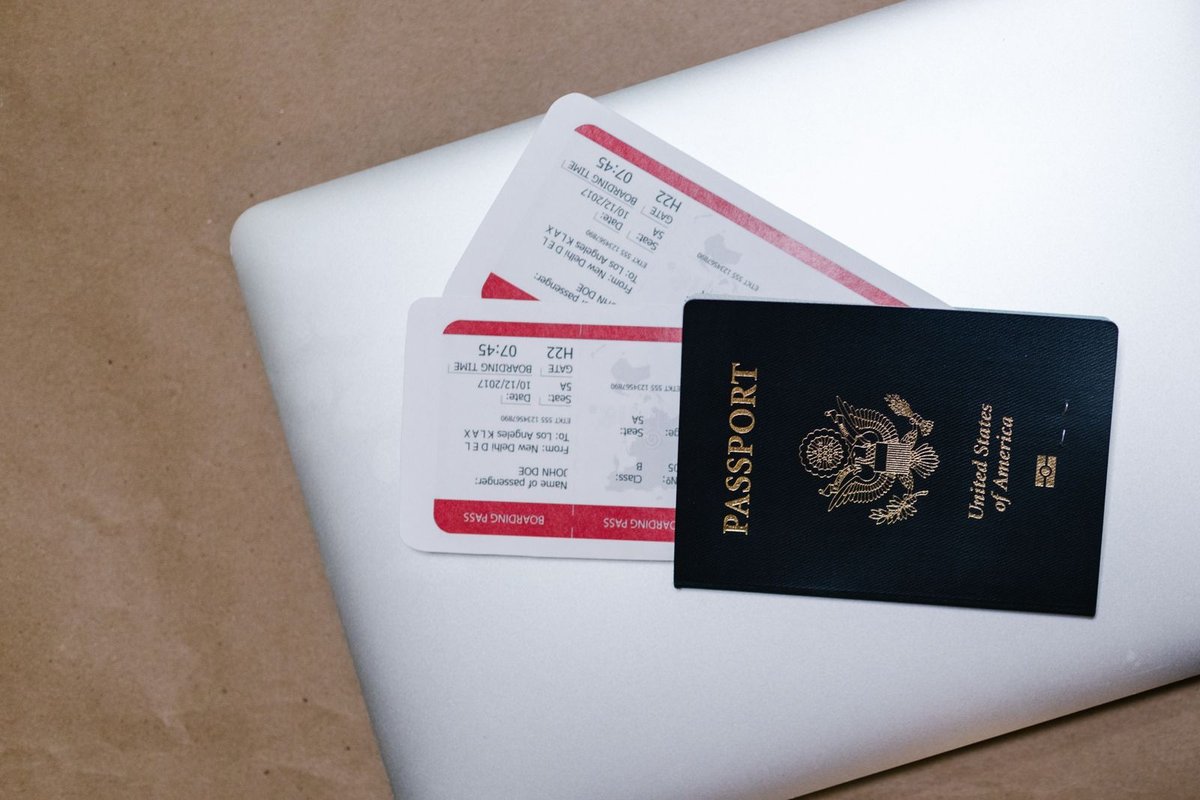
United States passport and airline boarding passes resting on a closed silver laptop

Keep originals in your day bag. Porters take the big cases; immigration still wants your passport in hand.

Documents that matter before you reach the check-in desk

International sailings almost always want a passport that covers the whole voyage. Travel-safety guidance from the U.S. State Department on cruise ship documents is blunt for a reason: lines may require a passport book even when a port’s entry rules look softer, and you want the same booklet if you ever need to fly home mid-trip. Many operators also ask for at least six months of remaining validity beyond your return date. Photocopies help as backups; they rarely replace the original at the pier.

Bring your booking confirmation or boarding pass (print or the mobile version your line accepts), plus any visa notes for every country on the itinerary, even if you only plan to stay onboard at a call. Complete digital traveller or arrival forms before sailing day when your line or immigration portal requires them. If you are building a packing list for a cruise from Port Klang, treat documents as the first layer, then medicines, chargers, swimwear, and a change of clothes in the bag that never leaves your side.

Health prep sits beside paperwork. The CDC page on cruise ship travel reminds guests to update routine vaccines, pack prescriptions in original containers, and stay home if they are acutely ill.

Embarkation timing at Port Klang Cruise Terminal

Port Klang Cruise Terminal sits on Pulau Indah, with parking, departure halls, check-in counters, security, and immigration. The terminal operator’s overview of Port Klang Cruise Terminal facilities lists the pieces first-timers actually use: baggage trolleys, link bridges, and taxi or bus access. Do not confuse the cruise passenger terminal with nearby container-port addresses; your confirmation should name the cruise centre clearly.

Arrive in the check-in window your cruise line assigns, not three hours early for every sailing and not ten minutes before gate close. Published Port Klang schedules often show midday check-in blocks and early-evening boarding cut-offs, but those times change by ship and date. Finish online check-in early so the pier desk only verifies what you already uploaded.

Day-of flow is usually: drop large bags with porters, present passport and confirmation at check-in, clear security and immigration, wait if boarding is staggered, then walk the link bridge. Your cruise card becomes cabin key, ID, and onboard charge card. Cabins may open later than boarding; lunch venues and open decks fill the gap while luggage finds your door.

Related watch: a plain walkthrough of embarkation-day habits that transfer well to Port Klang terminals.

Short Malaysia and Singapore itineraries beginners book

Most first Port Klang trips are two to four nights. Some stay in Malaysian waters with sea days and regional calls; others run a compact loop that includes Singapore. A plain overview of Malaysia cruise packages helps you compare length, ports, and whether the ship returns to Port Klang or ends elsewhere. Itinerary shape and embarkation city matter more than noisy price ads for a first try.

Passengers walking a sunny cruise-ship deck with glass balcony railings overlooking blue ocean

Match the sailing length to your leave days, then check which city you disembark in.

A Port Klang to Singapore pattern is popular because the sea day is short and the contrast is clear. If you are comparing itineraries that include Singapore, note whether Singapore is a port of call (you leave and reboard the same ship) or an embark/disembark city. That detail changes luggage plans, hotel nights, and which immigration rules apply on which day.

Whatever the map, build buffer around Pulau Indah traffic from Kuala Lumpur or the Klang Valley. A late ride is the most common reason first-timers miss their assigned window. Screenshot your terminal address, assigned time, and line contact before you leave home.

Night-before and morning-of at Pulau Indah

The night before: passport validity checked, online check-in done, digital forms submitted if required, day bag packed with meds and chargers, cash or card ready for parking or taxis. The morning of: leave early enough for Indah traffic, arrive in your window, keep documents out of checked luggage, complete muster when the ship asks. After sailaway: learn the dining system, locate medical and guest services, then sleep once the first-day adrenaline drops.

A first cruise from Port Klang rewards boring preparation. Documents, timing, and a short Malaysia or Singapore itinerary you understand beat terminal drama. Confirm the sailing’s own notices the week you travel; terminals and immigration rules can shift even when the ship name stays the same.